
Fat Soluble Vitamins:
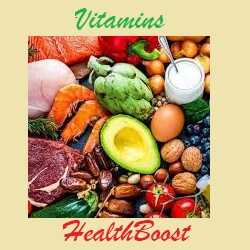 Vitamins can be categorized based on their solubility, with fat-soluble vitamins being highly abundant in fatty foods and exhibiting enhanced absorption into the bloodstream when consumed with fat. Conversely, most vitamins are water-soluble, meaning they dissolve in water. In contrast, fat-soluble vitamins share similarities with oil and do not dissolve in water. In the human diet, there are four fat-soluble vitamins available.
Vitamin A:
Vitamin A can be obtained from dietary sources. Animal sources provide preformed vitamin A, known as retinols, which are readily usable by the body. Plant sources offer carotenoids, such as beta-carotene, which acts as a potent antioxidant. The body can convert these carotenoids into vitamin A. Consequently, the vitamin A content on ingredient lists is often expressed as “vitamin A RAE” to signify retinol activity equivalents. Animal sources of vitamin A include fish liver oil, beef liver, cheese, milk, and other dairy products. Sources of beta-carotene include sweet potatoes, kale, spinach, carrots, cantaloupe, and fortified breakfast cereals.
Vitamin D:
While some vitamin D can be obtained from sunlight, additional sources are usually necessary for most individuals. The primary alternative is through food consumption. Dietary sources of vitamin D encompass oily fish, fish oils, fortified dairy products, plant-based milks, cereals, beef liver, and eggs.
Vitamin E:
Good sources of vitamin E include wheat germ oil, sunflower seeds and oil, almonds, hazelnuts, peanuts, spinach, broccoli, kiwi fruit, and mango.
Vitamin K:
The two most common groups of vitamin K are vitamin K-1 (phylloquinone), found in green, leafy vegetables and some other plant sources, and vitamin K-2 (menaquinones), present in animal sources and fermented foods. There are also synthetic and endogenously produced forms. Food sources of vitamin K-1 and K-2 include kale, liver, spinach, parsley, butter, and egg yolks.
Other Vitamins: